01
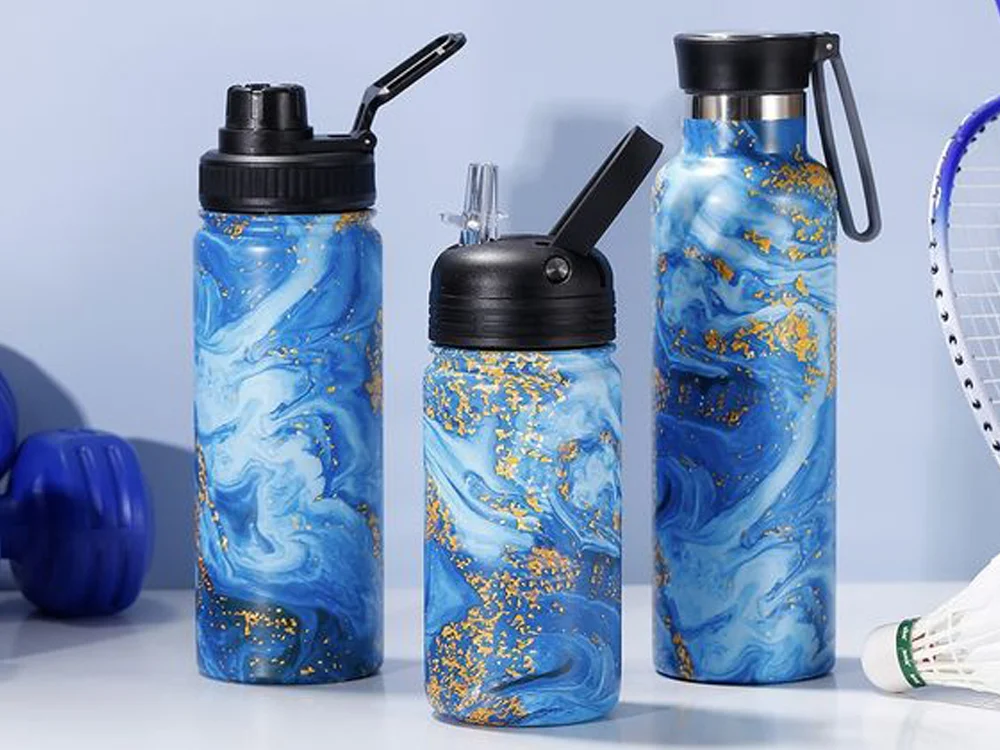
Water Bottles
Insulated and non-insulated bodies, screw and straw lid configurations, ready for logo, color and packaging customization.
Stainless Steel Drinkware · OEM & Product Development
01 — Products
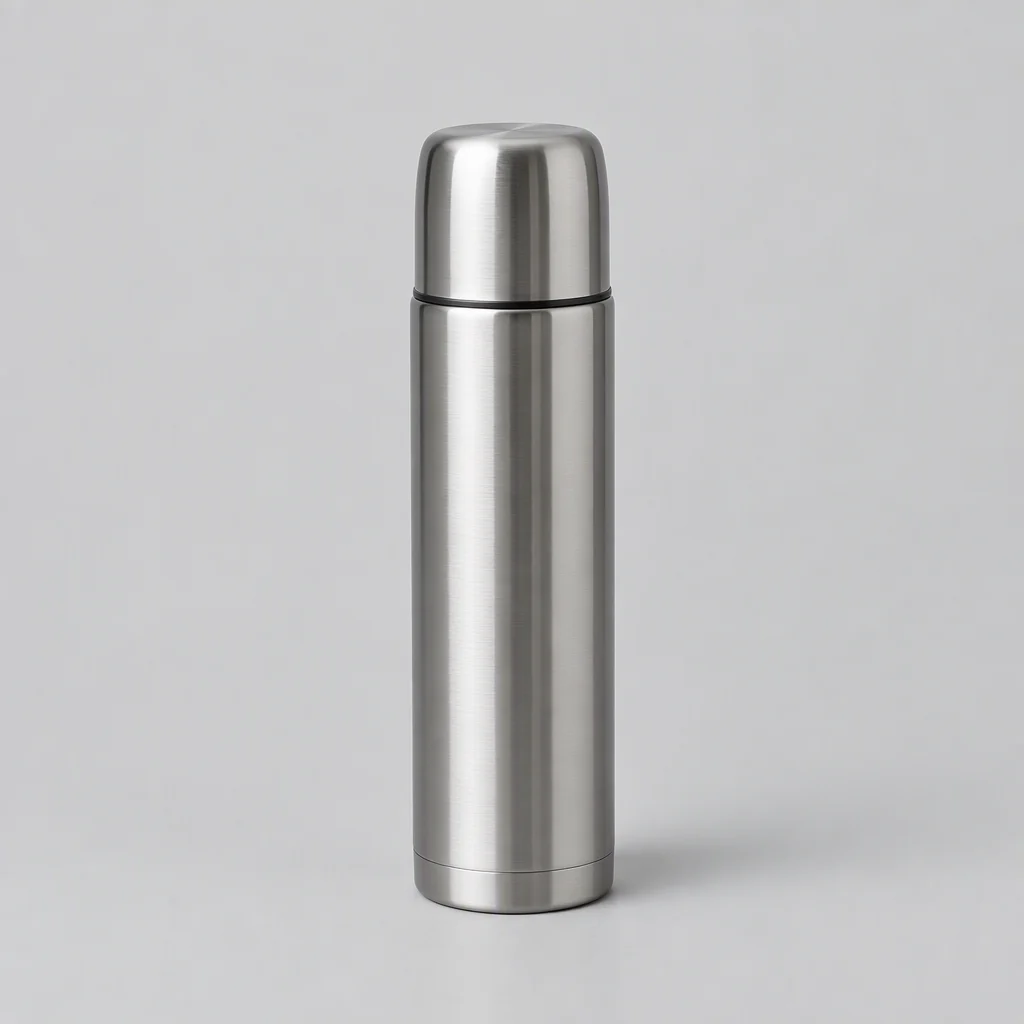
Food-grade 304 / 18-8 and 316 / 18-10 stainless steel, vacuum-insulated or single-wall depending on the product, with food-grade PP lids, BPA-free. Every category is shown in the same view, ratio, background and light so buyers can compare instead of decode.
01
Insulated and non-insulated bodies, screw and straw lid configurations, ready for logo, color and packaging customization.
02
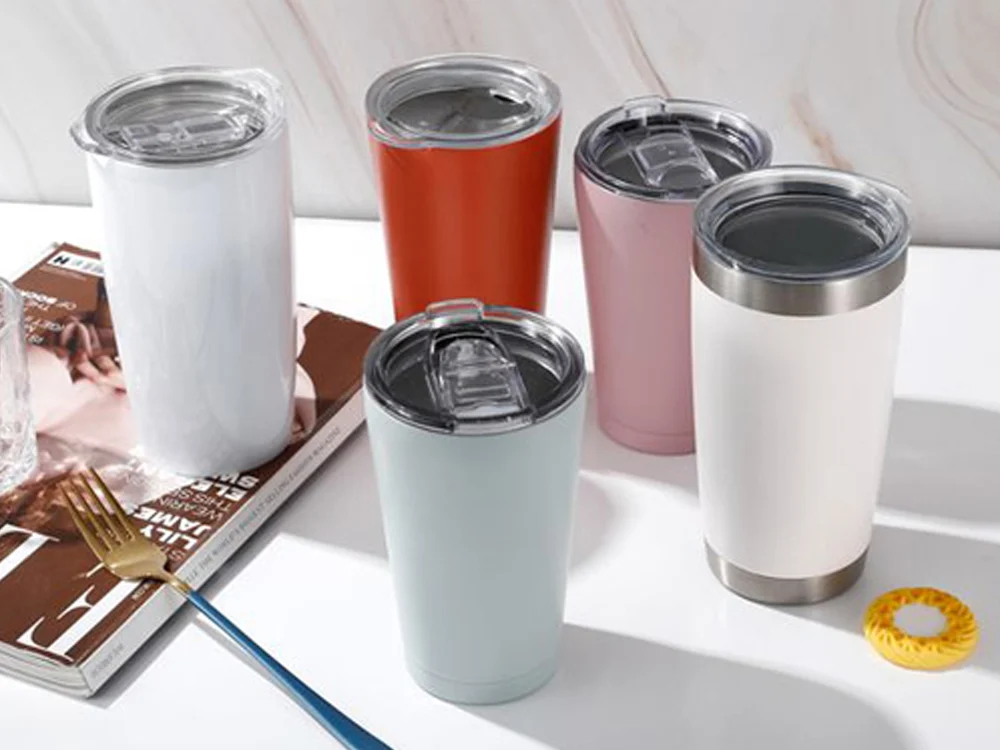
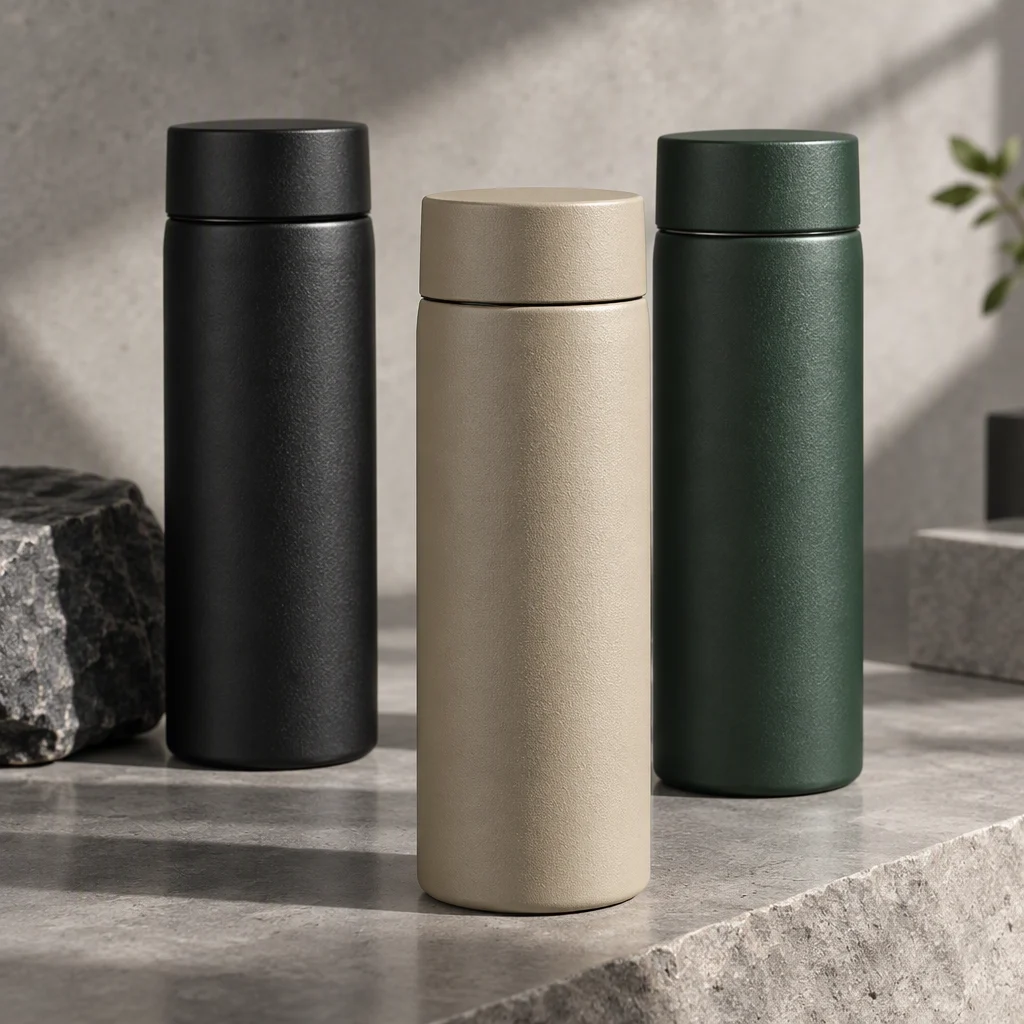
Vacuum-insulated tumblers and single-wall or insulated mugs, with lid, handle and accessory options, for resale programmes and branded ranges.
04
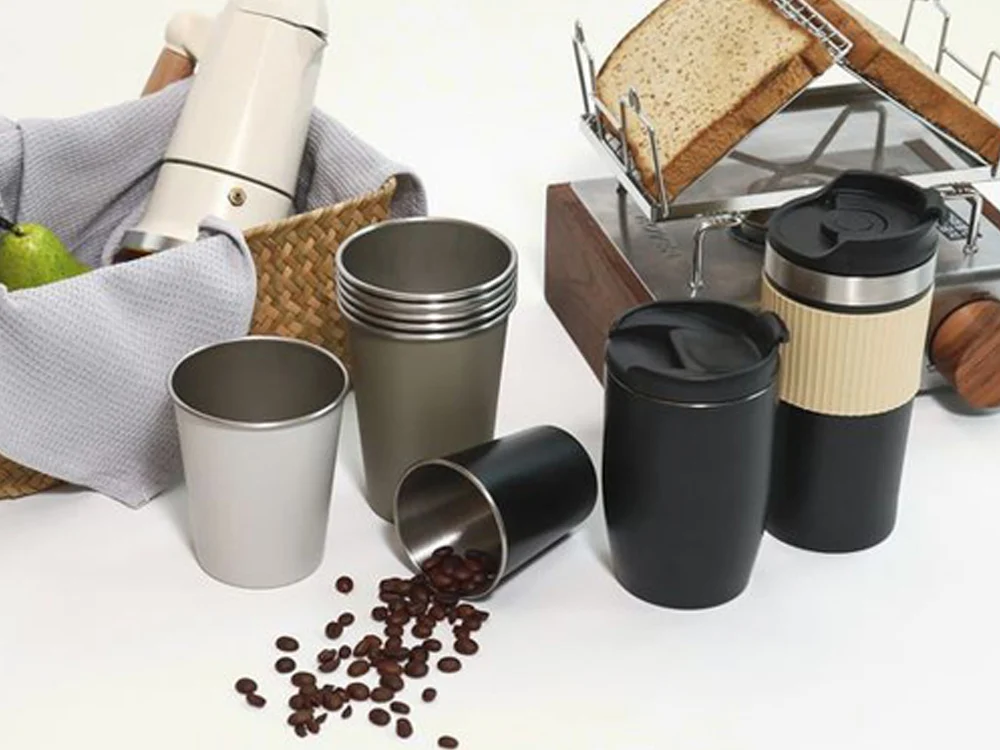
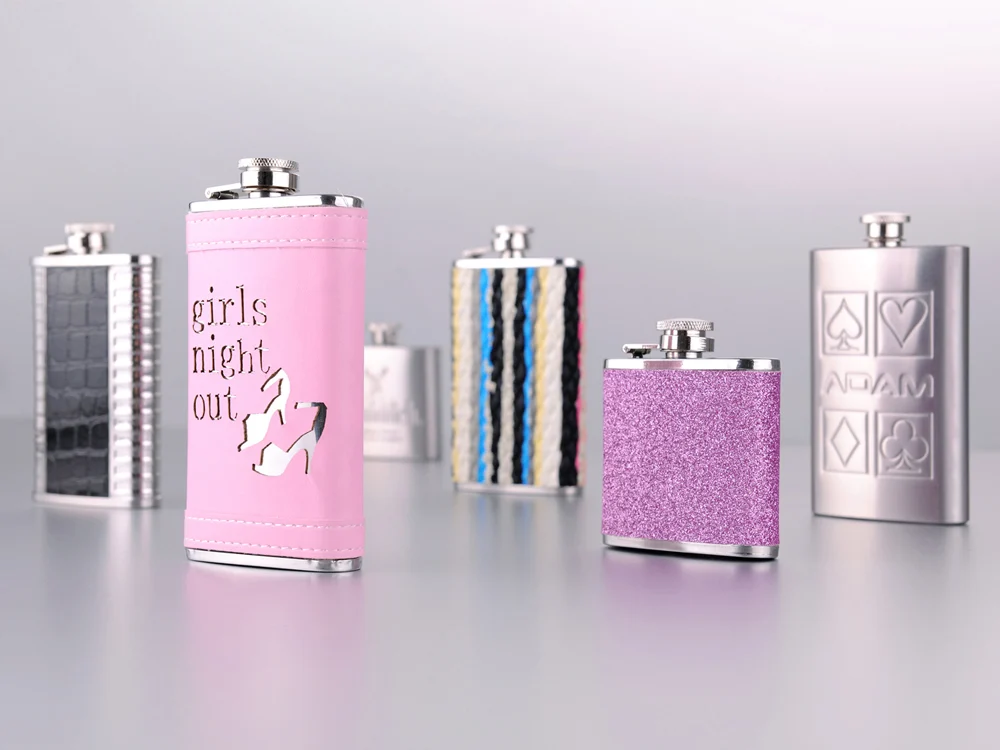
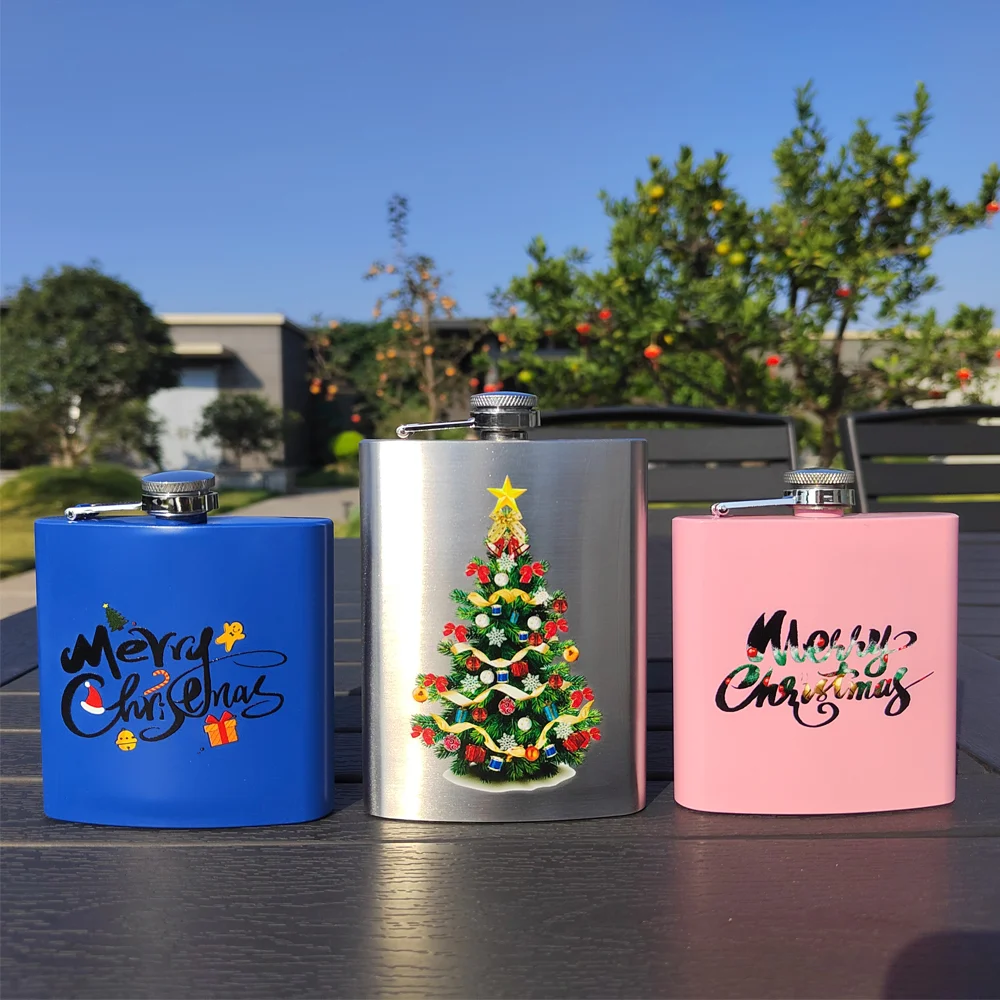
Typically single-wall stainless steel flasks, with engraving, coating and gift-box options.
05
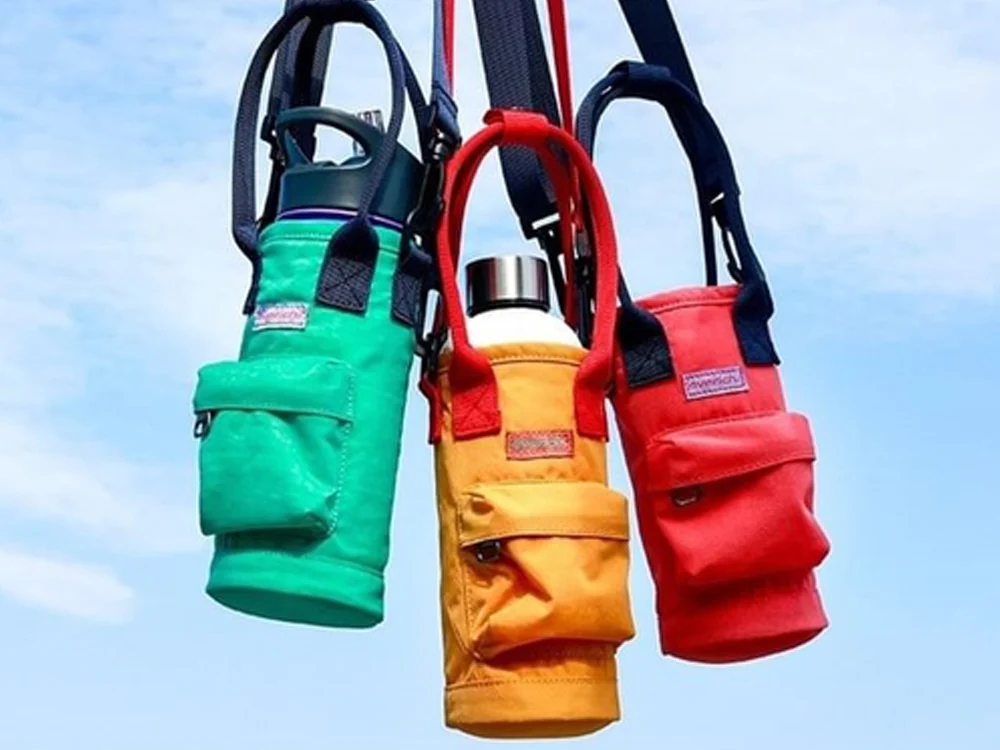
Lids, straws, silicone parts and cloth bags supplied with drinkware orders — a supporting capability, not a trading catalogue.
02 — Customization
Most orders start from an existing mold: choose the body, then change logo, color, surface finish and packaging. Adding a process that needs no new tooling stays an existing-product customization — with unit price, MOQ, sample cost and lead time recalculated.
Capability
Start from a mold we already hold, or a stock product, and change the parts the brand actually sees.
Capability
Laser engraving, silk printing and 3D printing of your artwork, plus other finishes where the product and quantity suit them.
Capability
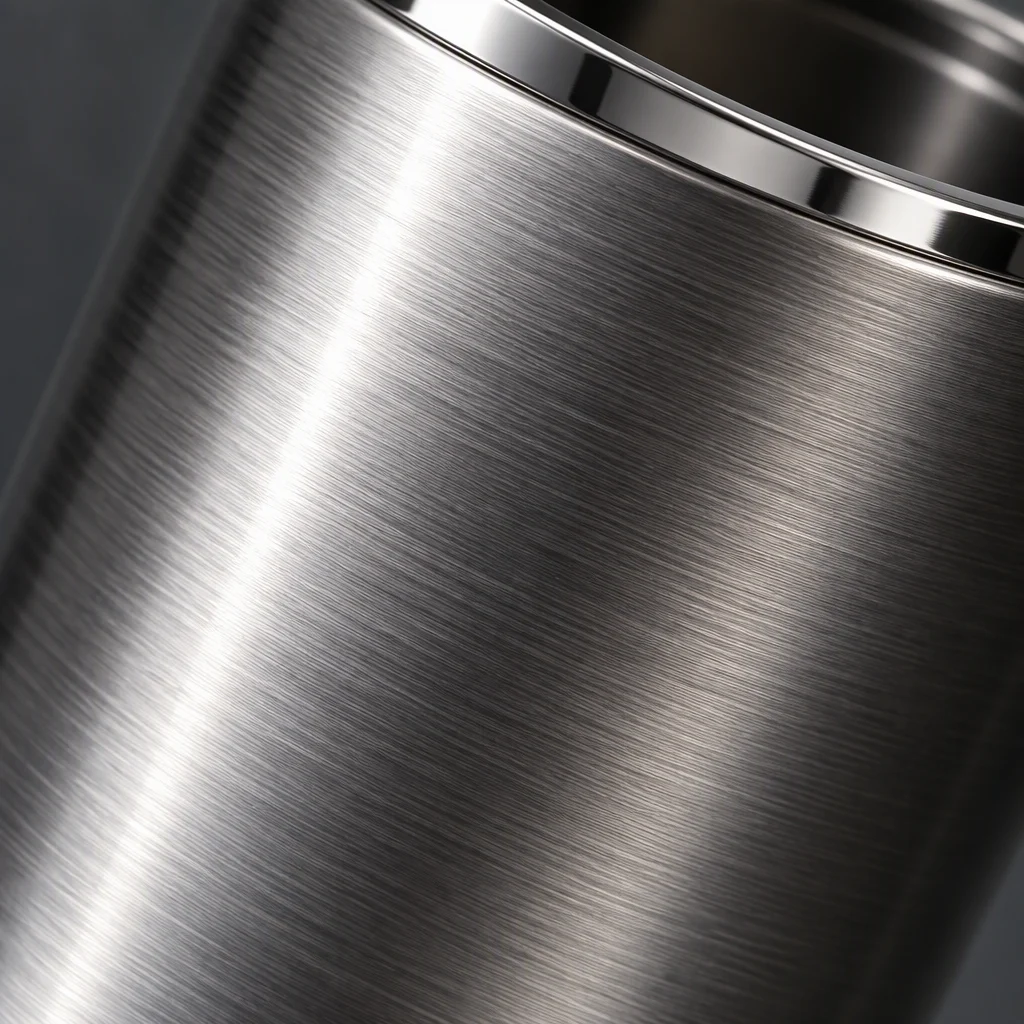
Spray and powder coating, brushed and polished finishes, matched against the brand's color reference.
Capability
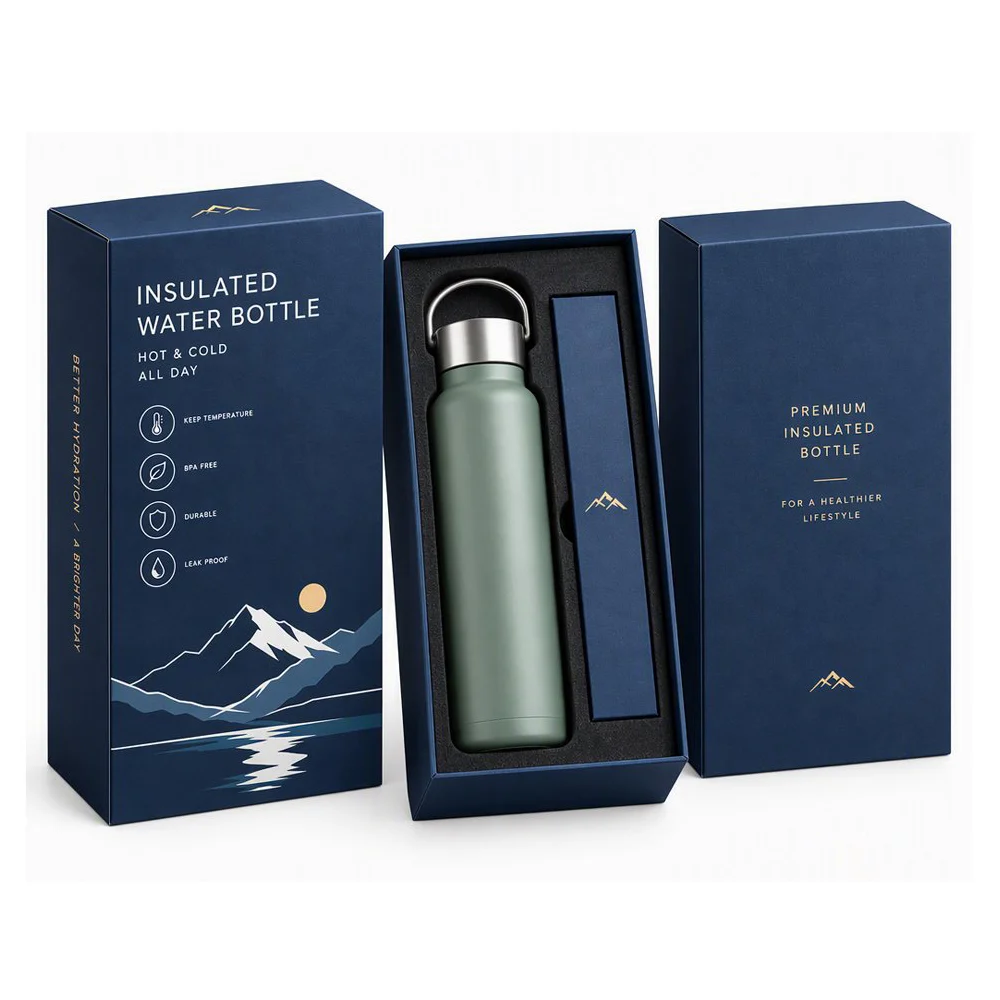
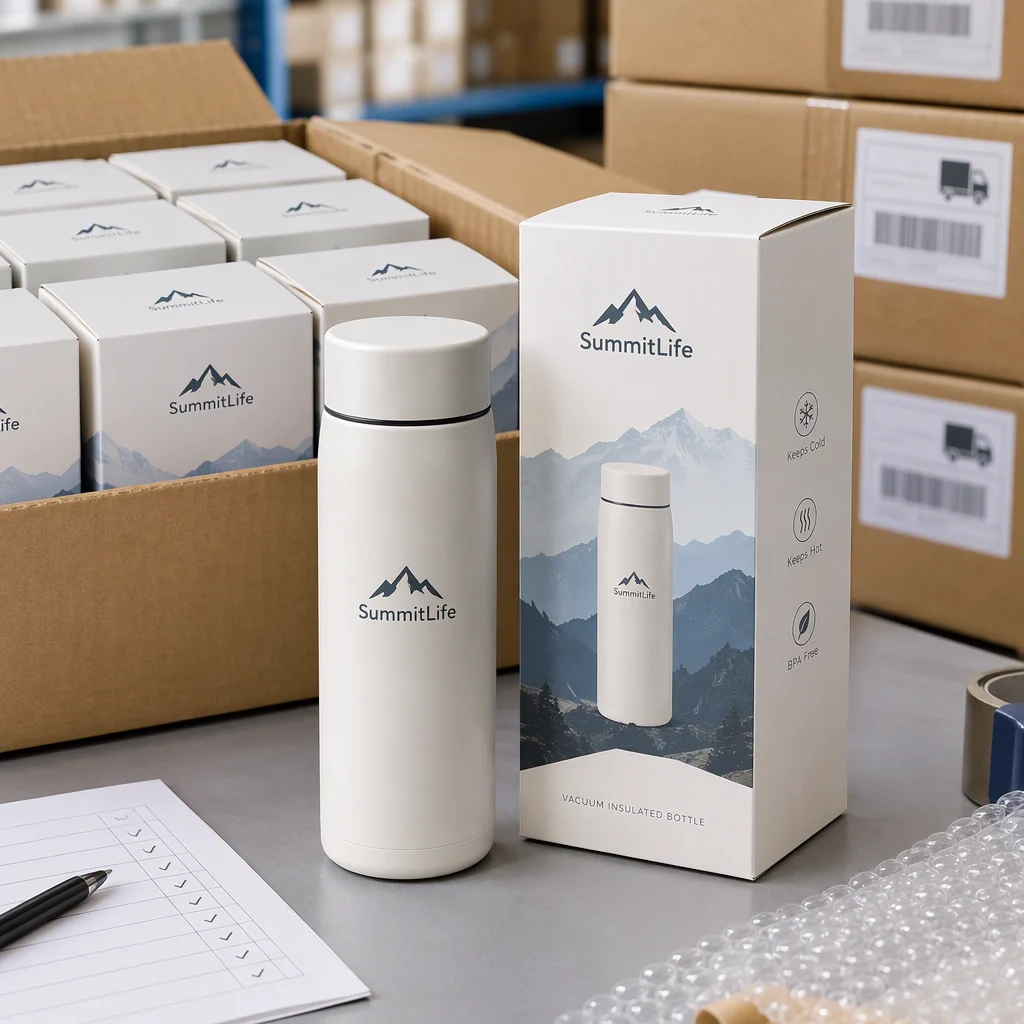
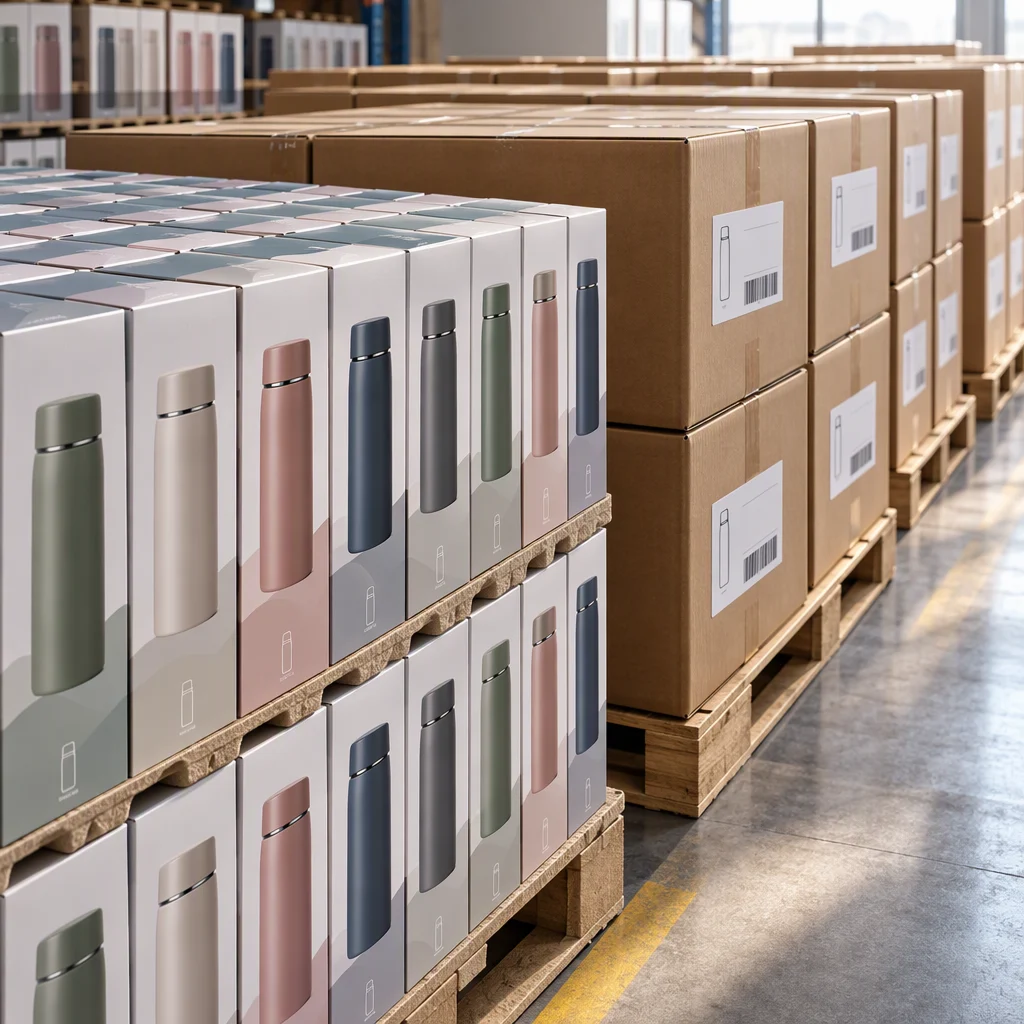
Retail box, gift box and carton programmes. Packaging may carry its own MOQ and artwork requirements.
Capability
Lids, straws, silicone parts and cloth bags sourced and matched so one order ships complete.
Next step
Tell us the model, target quantity and the customization you have in mind. We return bulk price, MOQ, sample route and timing.
Discuss your projectCustomization sequence
03 — Product Development
Development is the second business line: the customer brings the design, we review manufacturability, then move through sample, tooling and first-article approval before mass production. A new body mold is what separates development from ordinary customization.
01
Customer drawing, 3D file or a clear functional brief. NDA and exclusivity terms are agreed before drawings are shared.
02
R&D and production check structure, material, tolerances and process route — a design that draws well is not automatically a design that runs well. The mold requirement is decided by R&D and production together, not by sales alone, and the finding comes back with the commercial conditions before the customer commits development cost.
03
Estimated bulk price, MOQ, 3D sample fee and mold fee are confirmed before development spending starts. Sample and mold fees are paid in stages.
04
A 3D sample shows form, proportion and fit for approval before any tooling is cut.
05
Mold fee settled, tooling built to the approved 3D direction.
06
The physical sample from the new tool is reviewed against the approved specification and tolerance.
07
First article inspection against the approved sample and final specification, before the bulk run is authorised.
08
Bulk order and deposit, then production, in-process and finished-goods inspection, and shipment.
04 — Applications & Evidence
Some buyers are not drinkware companies at all. Their business simply needs a bottle, flask or cup in a specific role. The scene explains the use — it is not built to manufacture emotion, and the product stays the subject.
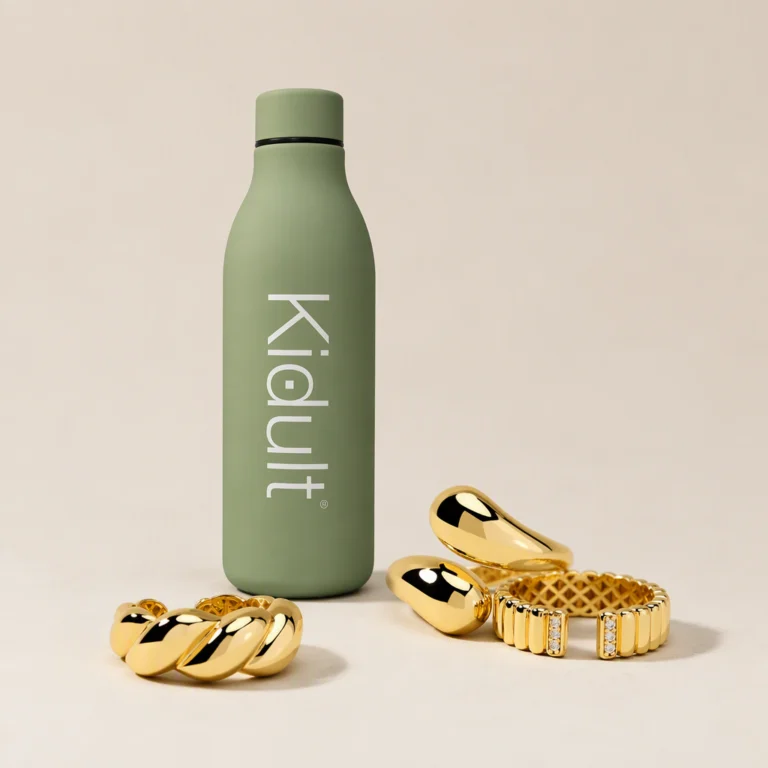
How an Italian silver jewellery brand added a private-label insulated bottle as a customer gift: existing mould, 3D printed logo, printed colour box.
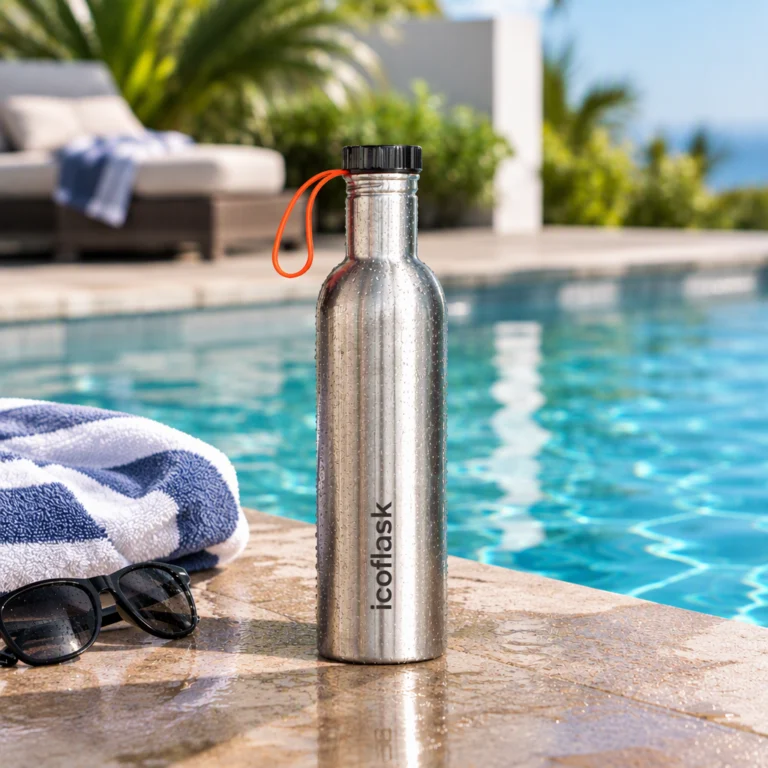
Pool decks, beach clubs, gyms and outdoor venues cannot work with glass — guests there still need a refillable bottle they can carry with them.
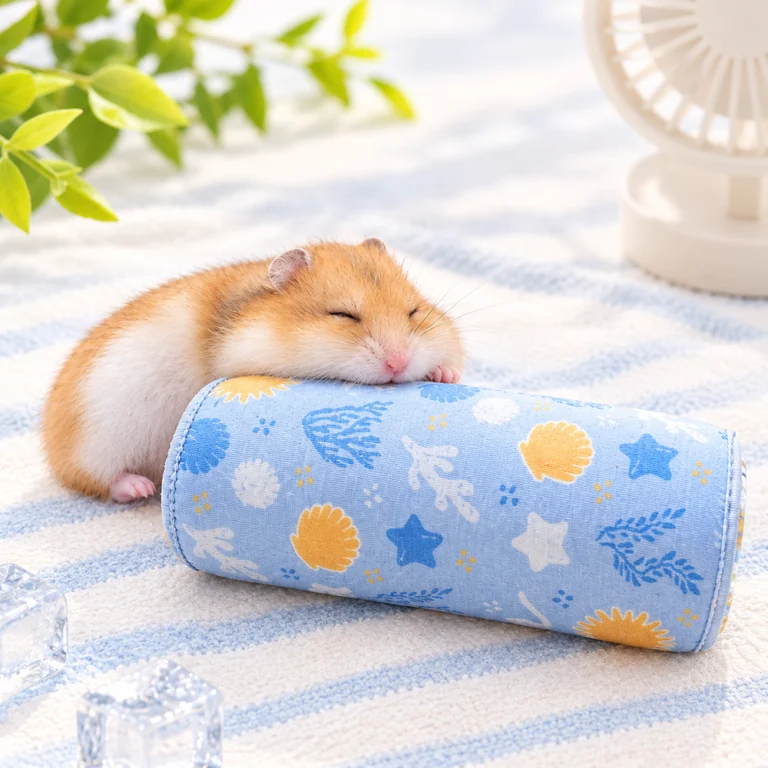
Small-animal owners need a safe, simple way to keep guinea pigs and rabbits cool during hot weather.
05 — Manufacturing & Factory Evidence
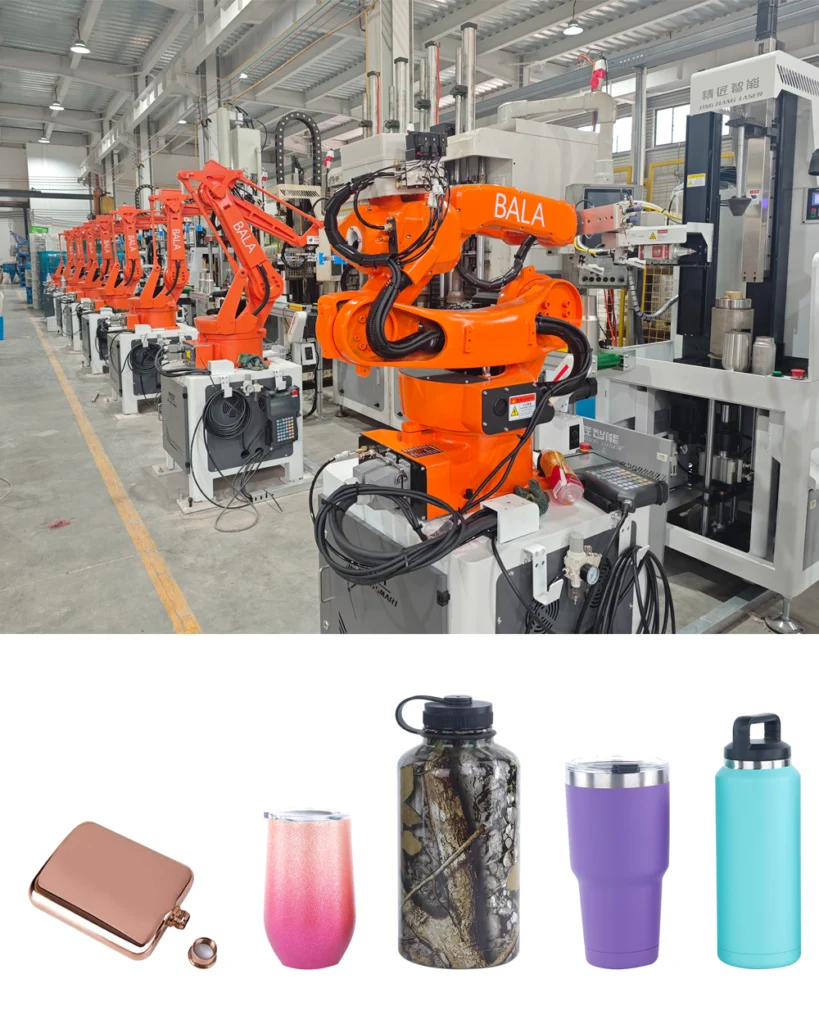
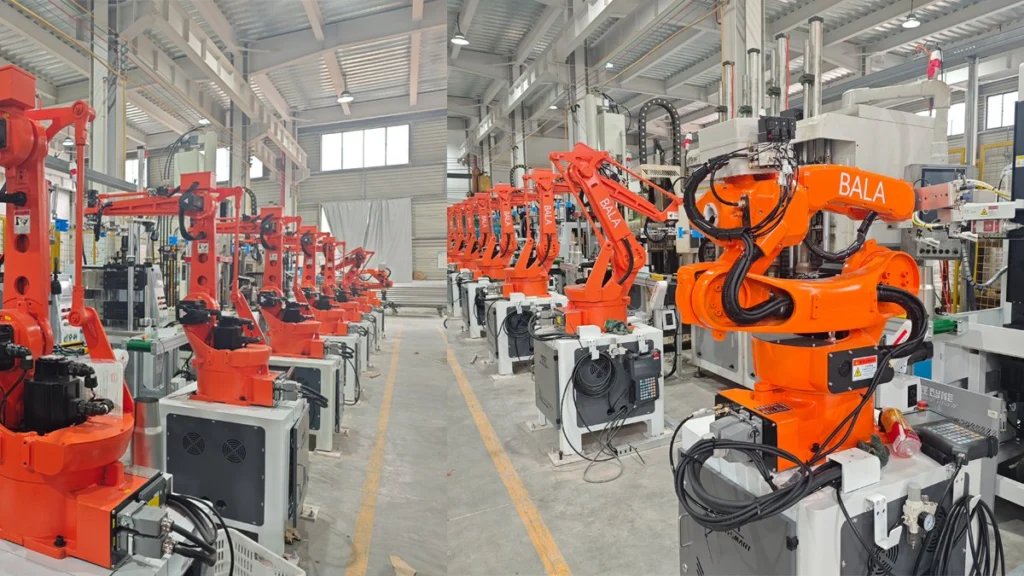
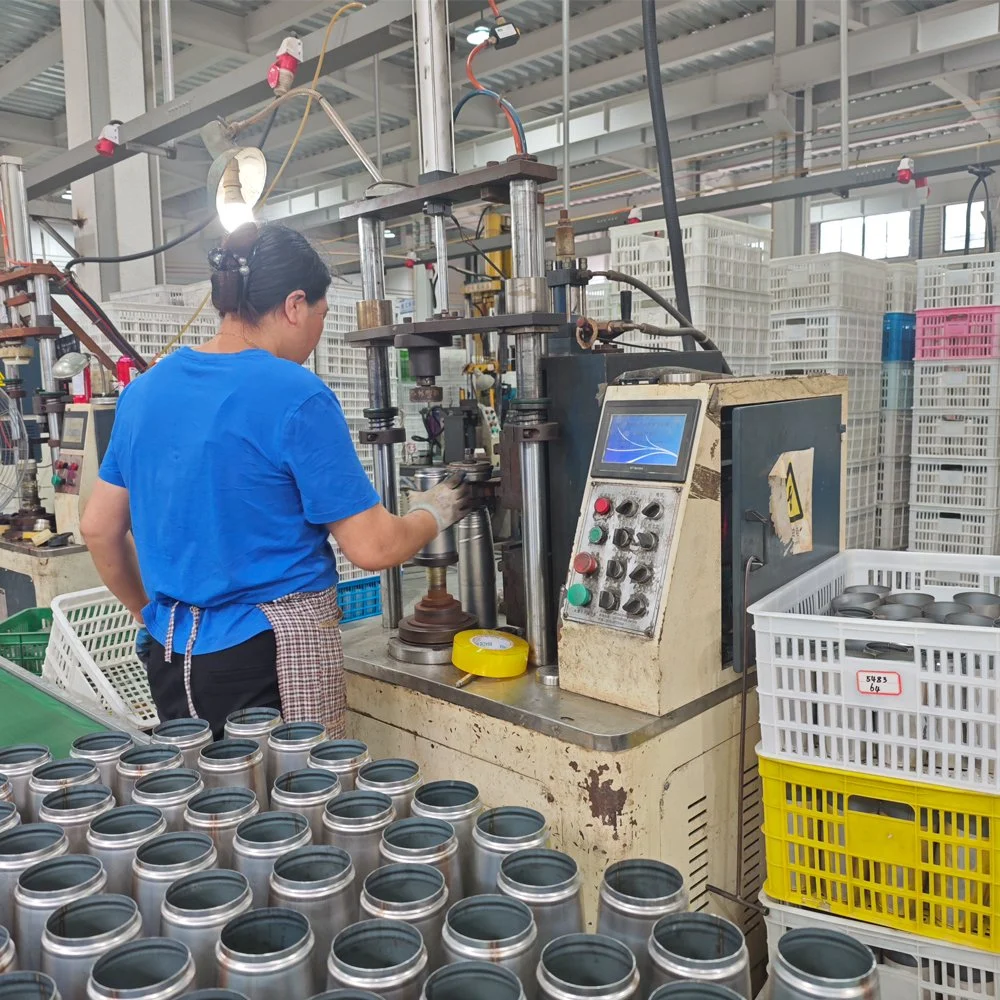
Two lines running forming, welding, polishing, vacuum processing, printing, laser, assembly, inspection and packing. Most operations are in-house; the rest is managed under supplier qualification and incoming inspection — responsibility to the customer does not move with the process.
In-house vs. outsourced operations
80–85% in-house 15–20% outsourced
Forming · Welding · Polishing · Vacuum Process · Printing · Laser · Assembly · Inspection · Packing
Outsourced scope may include some lids, accessories, packaging box and carton, electrolytic finishing and spray coating. Supplier qualification, incoming QC, verification and batch traceability apply to bought-out and outsourced parts.
06 — Quality Assurance
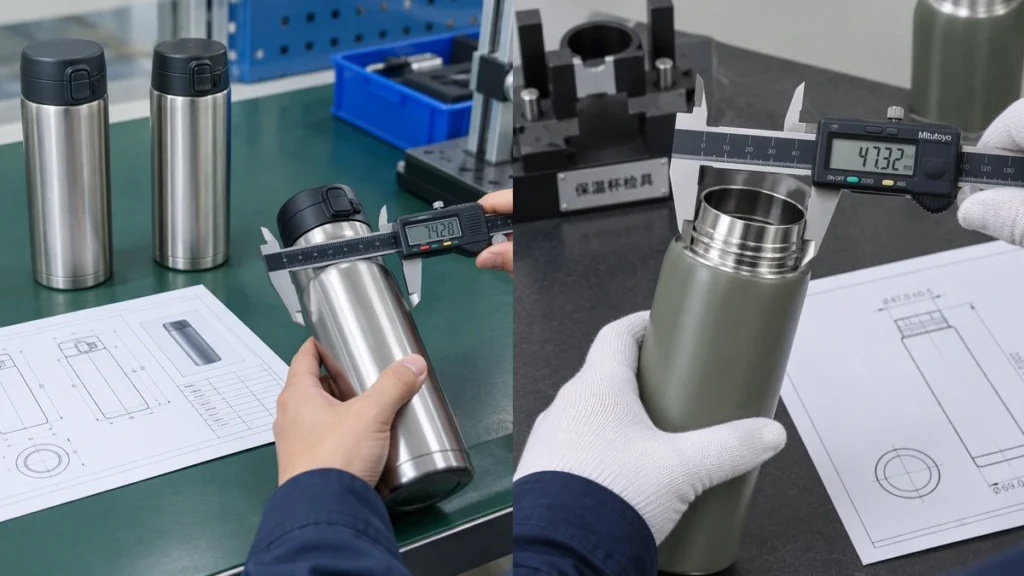
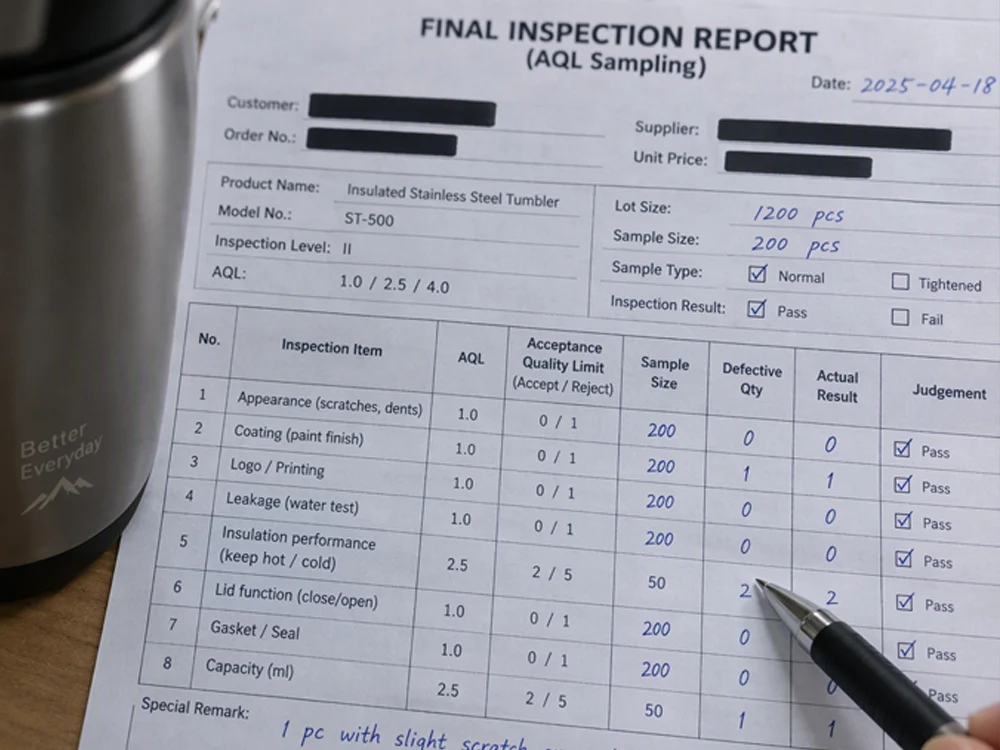
No shields, trophies, stars or checkmark badges. Quality is described the way a buyer audits it: inspection stages, measurements, tests, reports and traceability — with photographs of the actual inspection.
01
Bought-out and outsourced parts verified against specification before they enter production.
02
Checks through forming, welding, polishing, coating and printing, so a defect is caught before it multiplies.
03
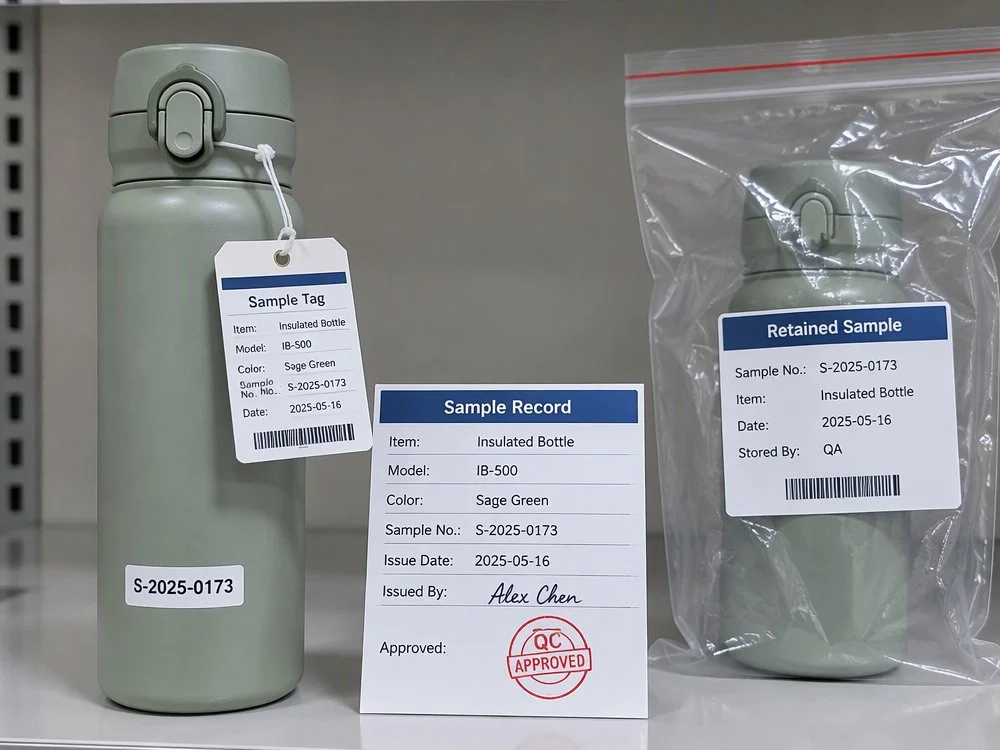
Final inspection against the approved sample, final specification and agreed tolerance, with AQL-based sampling and batch identification.
04
Leak testing and insulation testing where the product applies, plus material verification and first article inspection.
05
Batch traceability on records; major, batch or repeated issues escalate to root cause analysis, CAPA and 8D with effectiveness verification. Supplier-caused problems stay our responsibility to coordinate for the customer.
Compliance documents
FDA and LFGB materials and related test documents can be provided where they apply to the specific product, material, structure, coating, component and target requirement. A report is cited only where it genuinely applies; third-party reports are never edited, and amendments or extensions go through the laboratory.
07 — Request a Quote
The more of the fields you fill in, the faster the quotation comes back with a usable bulk price, MOQ and lead time instead of a range.
What helps a fast answer
Name, email, country and the requirement itself are what the form asks for; telephone, product and quantity help if you have them. Bulk terms are 30% deposit and 70% balance — open-account terms are not offered at present. A formal quotation carries a default validity of 60 days.