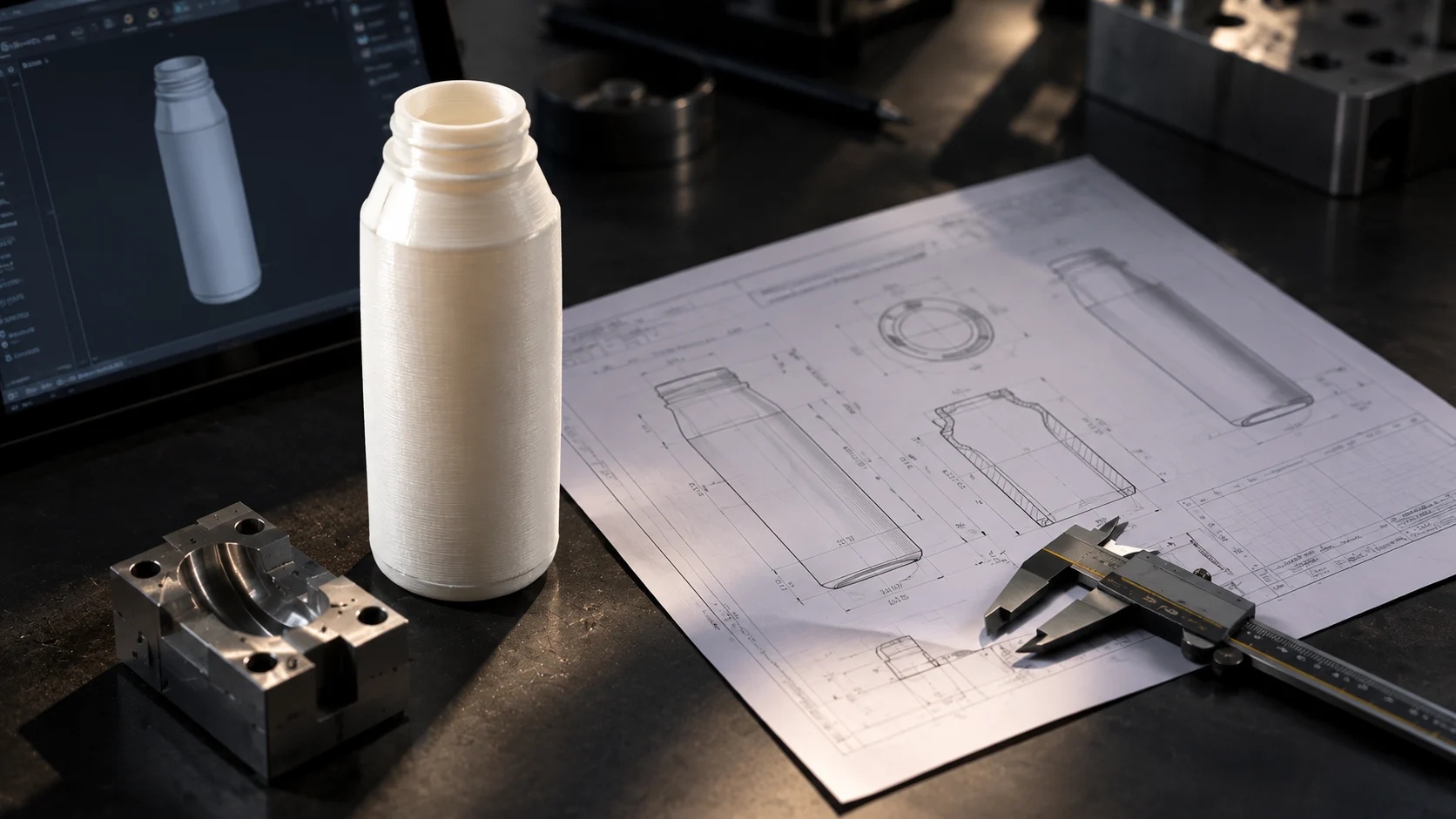
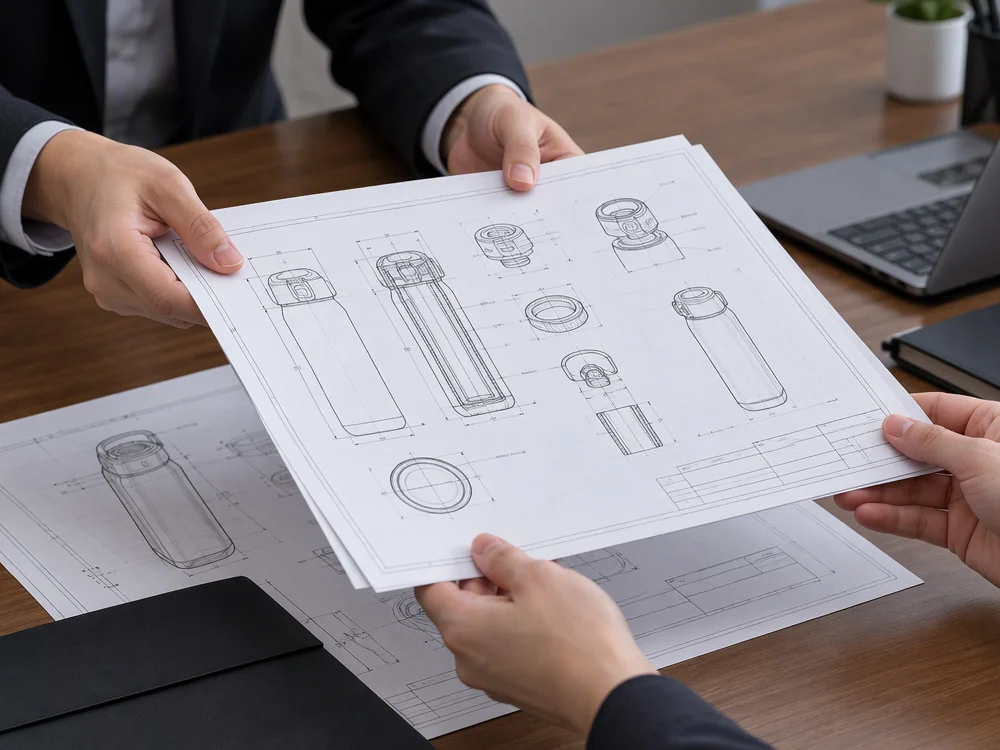
01 · Confidentiality
NDA & Exclusivity
Terms are agreed before any drawing is shared, so the design, artwork and brand information stay with the customer.
Can you turn my drawing or design into a mass-producible product?
01 — The Development Path
The customer brings the design; R&D and production check that it can be made, then carry it through sample, tooling and first-article approval before the bulk run.
Stage 01
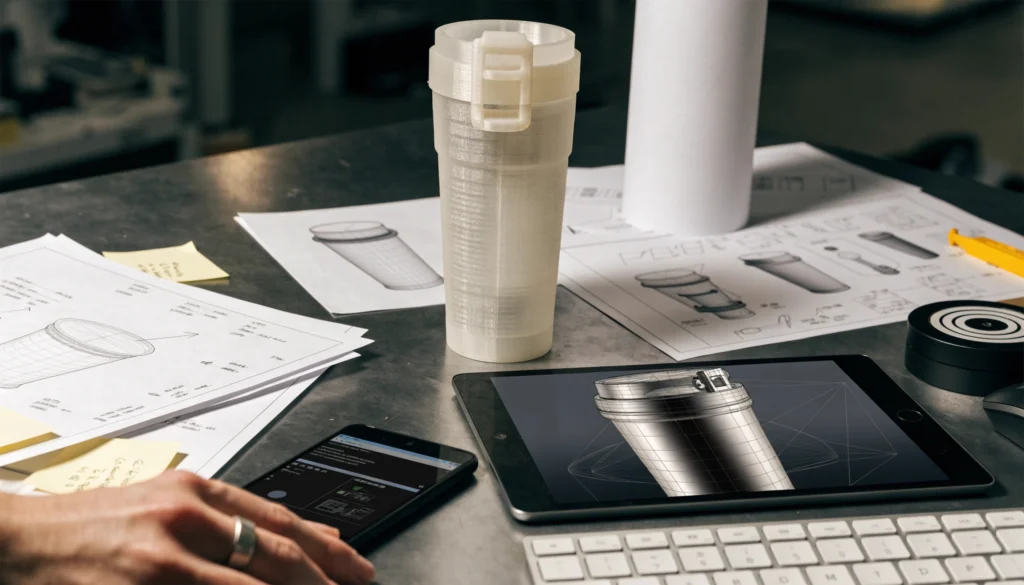
A customer drawing, a 3D file or a functional brief; it does not have to be production-ready.
Stage 02
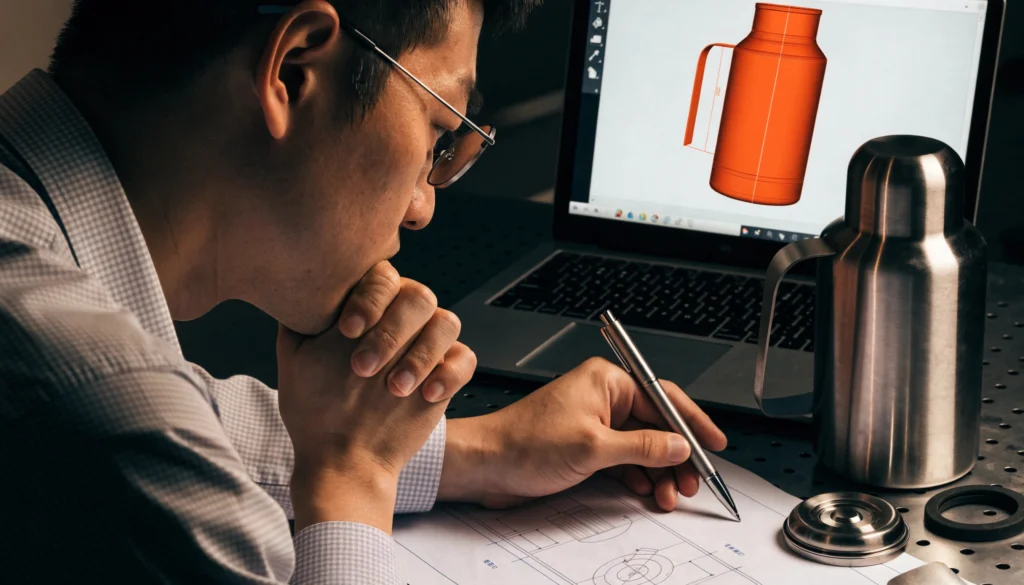
R&D and production check structure, material, tolerances and the process route. The mold requirement is decided by R&D and production together, not by sales alone, and the finding comes back with the commercial conditions before the customer commits development cost.
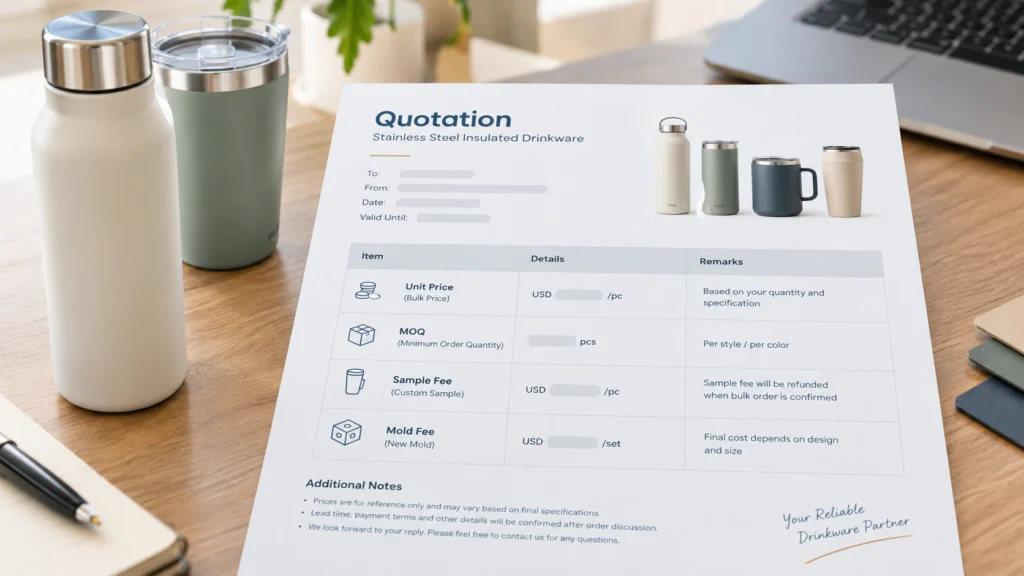
Stage 03
Bulk price, MOQ, sample fee and mold fee confirmed before development spending starts.
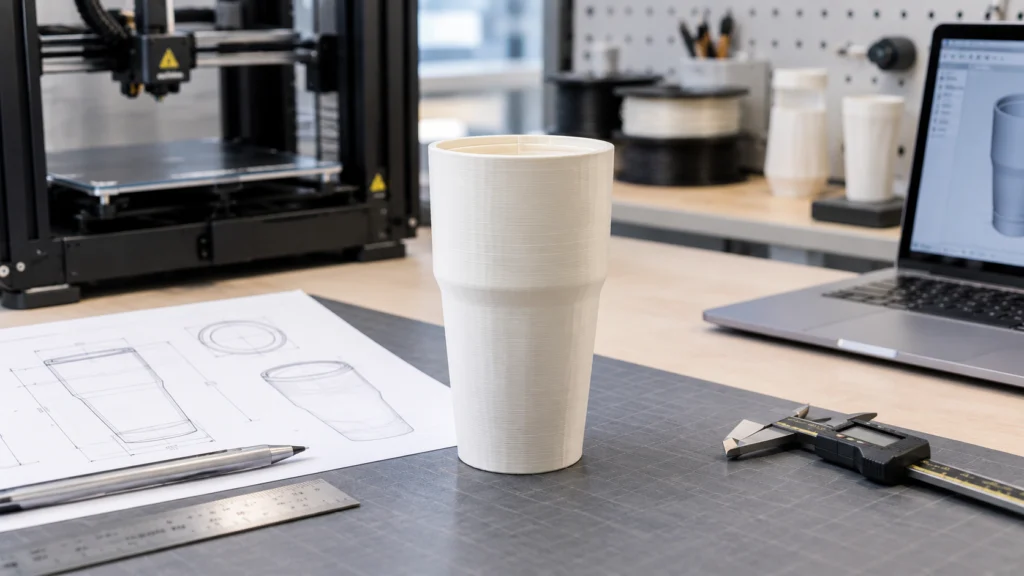
Stage 04
Form, proportion and fit approved before any tooling is cut.
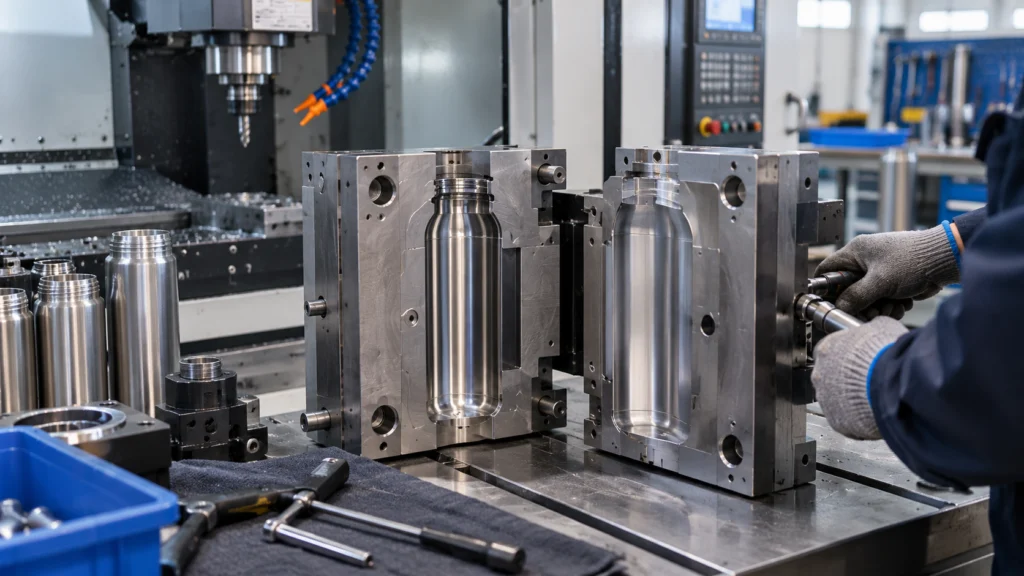
Stage 05
Mold fee settled, tooling built to the approved 3D direction.
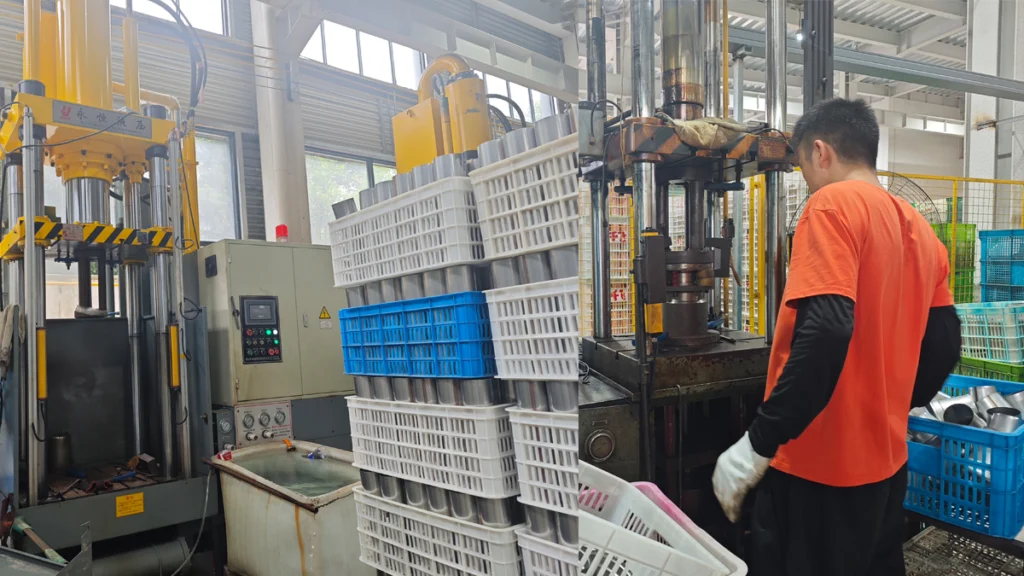
Stage 06
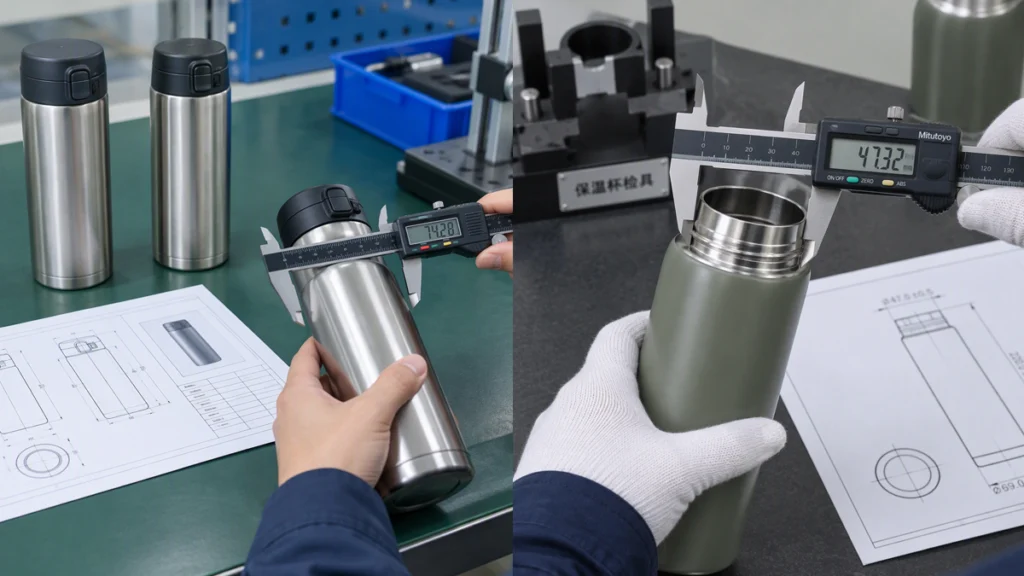
The part from the new tool checked against the approved specification and tolerance.
Stage 07
First article inspection against the approved sample and final specification.

Stage 08
Bulk order and deposit, then production, in-process and finished-goods inspection, and shipment.
Confirmed before development spending starts
Fees are paid in stages: the sample fee with the 3D sample, the mold fee before tooling is cut. The sample is judged against the structure, material and tolerance agreed here, and development only starts once the buyer has accepted this direction.
02 — Before the Drawing Is Shared
One protects the design; the other decides which material and which documents the product actually needs.
01 · Confidentiality
Terms are agreed before any drawing is shared, so the design, artwork and brand information stay with the customer.
02 · Market
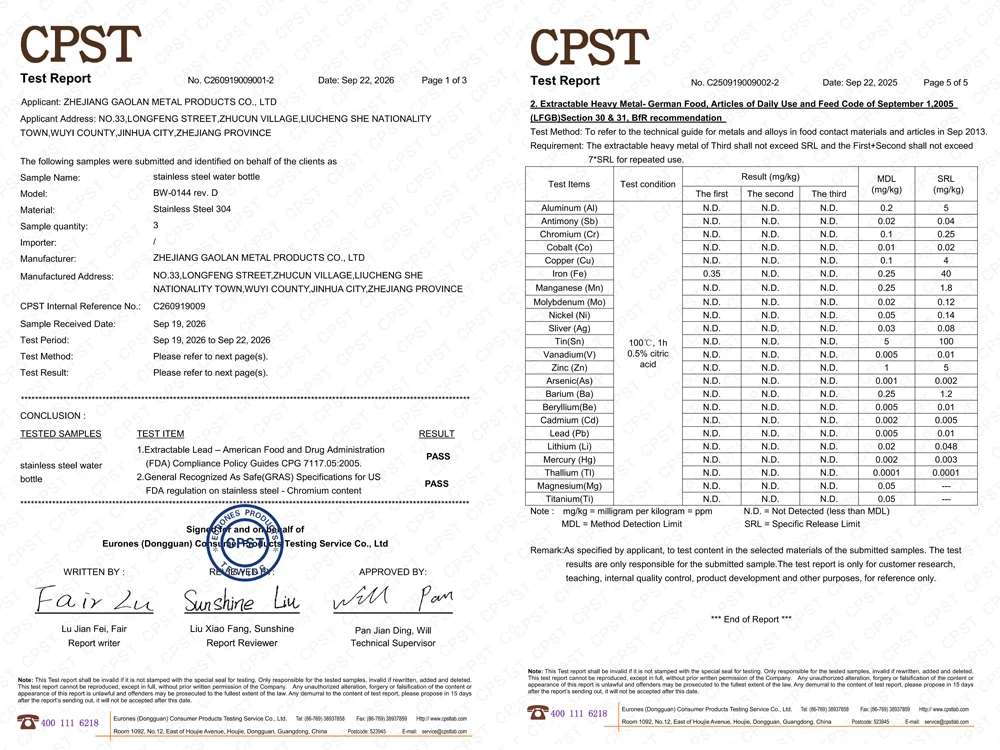
The market decides which material and documentation questions have to be answered. FDA and LFGB materials and related test documents can be provided where they apply to the specific product; a report is cited only where it genuinely applies.
03 — Development or Customization
One route changes what the brand sees on a product that already exists. The other builds the product itself.
Existing mold
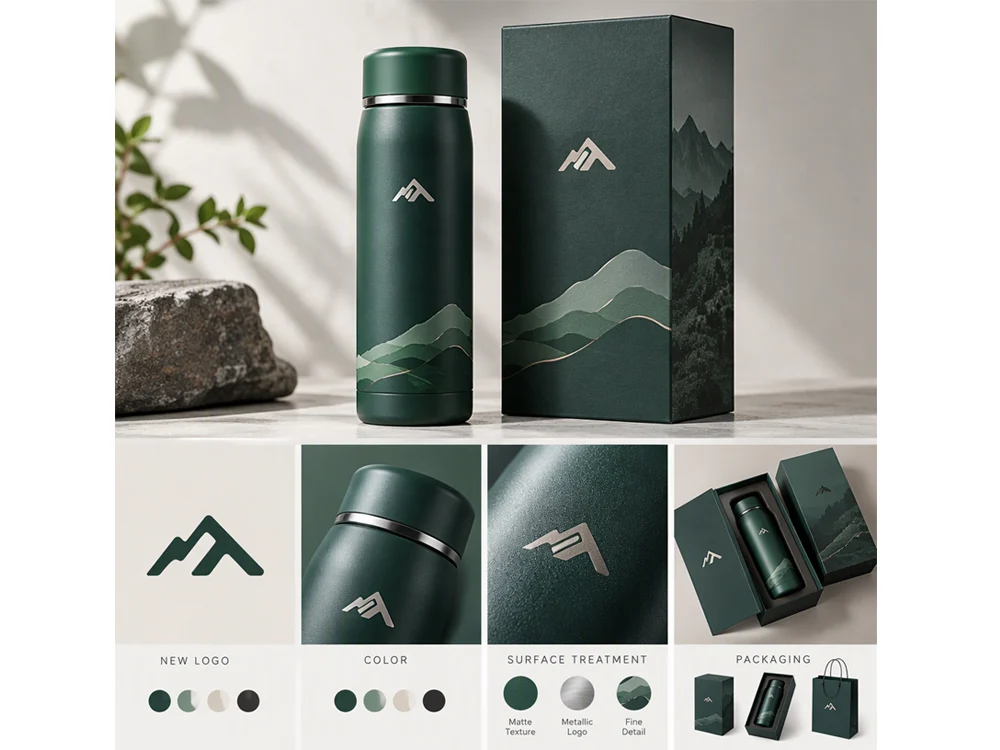
Logo, color, surface finish, accessories and packaging change on a body that already exists. No new tooling is cut, and the unit price, MOQ and sample cost come back on the quotation.
New mold
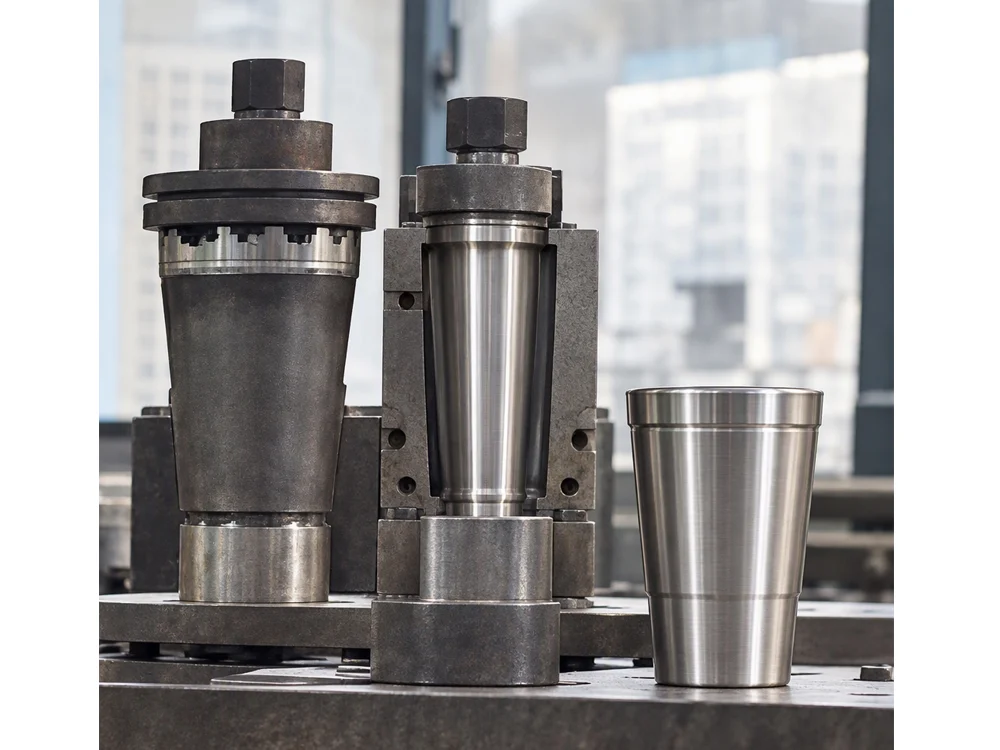
Drawing review, 3D sample, tooling, molded physical sample and first article inspection come before the bulk run, and the mold fee is settled before tooling is built.
04 — Request a Quote
A drawing, a 3D file or a written description of the function is enough for the first review — feasibility, the process route and the commercial conditions come back as one answer.
What helps a fast answer
Artwork, drawings and the market the product is sold in can follow on WhatsApp once the first answer is on its way.